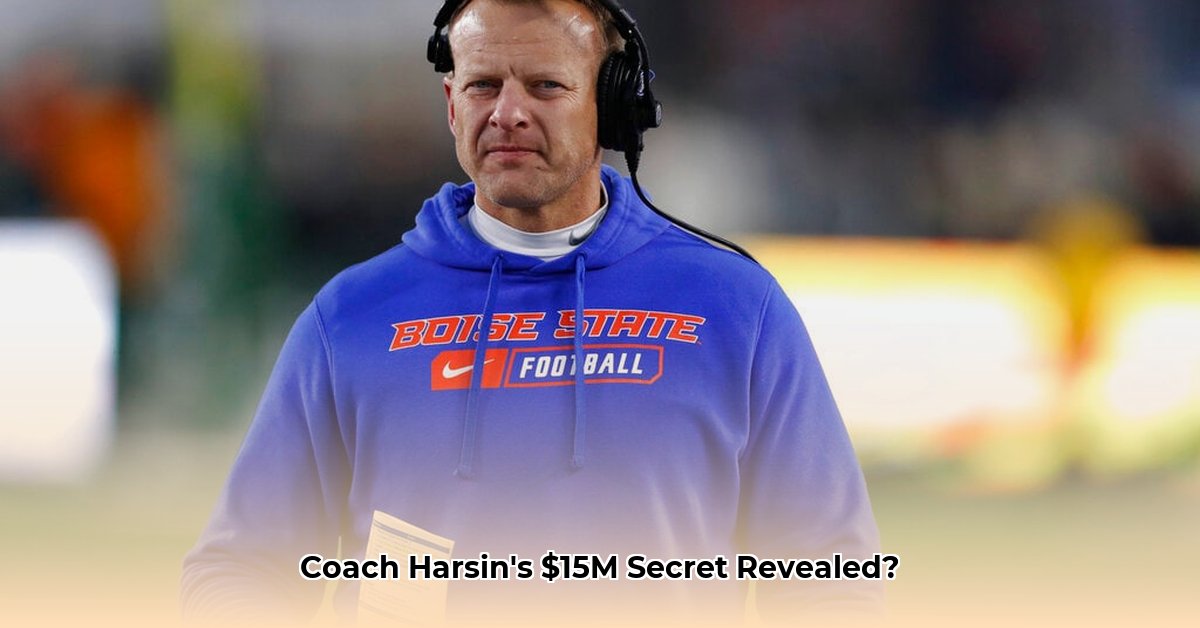
Bryan Harsin's Net Worth: A Comprehensive Analysis
Bryan Harsin's estimated net worth of $15 million reflects a complex interplay of factors beyond just his salary. This figure, while substantial, is a culmination of years of experience, strategic contract negotiations, and the inherent risk and reward within the high-stakes world of college football coaching. How did he amass this significant fortune, and what does his financial trajectory reveal about the business of college athletics?
Key Factors Contributing to Harsin's Wealth:
Lucrative Coaching Contracts: Harsin's salaries at Boise State and, more significantly, Auburn, contributed substantially to his net worth. His Auburn contract, ranging from $5.25 million to $5.35 million annually depending on performance bonuses, provided a substantial base income. His 2020 salary at Boise State, at $1.85 million, further demonstrates the increasing earning potential at higher levels of college football.
Significant Buyout: A major component of Harsin's wealth stems from the sizeable severance package—estimated at $15.3 million—he received upon his departure from Auburn. This highlights the considerable financial risks and rewards inherent in high-profile coaching positions. This large payout underscores the inherent volatility in coaching contracts and the importance of strong negotiation skills.
Performance-Based Incentives: Harsin's earnings extended beyond his base salary. Performance bonuses tied to team success, such as conference championships and bowl game appearances, significantly boosted his total compensation. While precise figures for these bonuses remain unavailable, their considerable impact on his overall earnings is undeniable.
The High-Stakes Gamble of College Football Coaching:
The success story of Bryan Harsin’s net worth isn’t just a tale of financial gains; it’s a prime example of the high-stakes nature of the college football coaching profession. Coaching at this level involves significant risk. The massive buyout clauses in Harsin's contract illustrate this point. While such clauses offer security to the coach, they represent a considerable financial investment for the university, emphasizing the high expectations and potential repercussions of underperformance. This scenario presents a compelling case study in assessing the potential risks and rewards within this intensely competitive arena. Doesn't this financial gamble raise an important question: Are these contracts ultimately sustainable?
Future Prospects and Financial Implications:
Harsin’s substantial net worth creates a wealth of options; it provides him a unique platform for future endeavors. He might return to coaching, leveraging his experience to negotiate another lucrative contract. Alternative paths include exploring entrepreneurial ventures, diversifying his investments, or focusing on philanthropic pursuits. His accumulated wealth isn't merely a reflection of past successes; it’s a foundation for future strategic decision-making.
Analyzing the Stakeholders:
Different stakeholders view Harsin’s future and financial situation differently:
| Stakeholder | Short-Term Outlook | Long-Term Outlook |
|---|---|---|
| Bryan Harsin | Seeking a new coaching position; managing existing investments. | Diversifying income streams; philanthropic activities; potential business ventures. |
| College Programs | Evaluating contract structures; refining risk management strategies. | Enhancing hiring processes; improving compensation transparency. |
| Athletic Directors | Revising approaches to coach market value and contract negotiations. | Seeking more accurate assessments of potential risks and rewards. |
| Sports Agents | Emphasizing stronger contract negotiations and risk analysis. | Advocating for better coach protections; securing improved contract terms. |
| Investors/Sponsors | Assessing sponsorship opportunities; analyzing long-term value. | Exploring new partnership avenues; evaluating the sustainability of college sports. |
Negotiating Lucrative Coaching Contracts: A Strategic Approach
The path to a lucrative coaching career hinges on meticulous contract negotiation. The details—base salary, supplemental income, performance bonuses, deferred compensation, and buyout clauses—are critical.
Key Elements of Successful Negotiation:
Layered Compensation: Understanding that a coach's compensation extends significantly beyond base salary. Supplemental income (endorsements, media appearances, NIL deals) and performance bonuses can dramatically increase total earnings.
Buyout Clauses: Recognizing the significance of buyout provisions as a key element of risk management for both the coach and the university. A substantial buyout can provide security for the coach but represents a considerable financial outlay for the university.
Multi-Party Dynamics: Recognizing and navigating the complexities of multi-party negotiations involving the coach, the university, and agents. Understanding the motivations and priorities of each party is crucial to achieving a mutually beneficial outcome.
Legal Counsel: Seeking legal advice to ensure the contract’s clarity and to avoid potential disputes. Navigating related employment contracts, tax codes, and NCAA regulations is vital.
Long-Term Vision: Focusing on building a lasting program rather than just optimizing short-term financial gains. Long-term success contributes significantly to a coach’s overall earning potential.
Bryan Harsin's $15 million net worth serves as a powerful illustration of the financial realities and complexities of coaching at the highest level of college football. His story underscores the high-stakes nature of contract negotiation, the significant financial risks and rewards involved, and the importance of understanding the interplay between on-field performance and off-field financial success.